
Instrument selection
Industrial measuring instruments: types and applications
Start with the quantity you need to measure, the decision it supports and the conditions of use. Display resolution and purchase price alone do not establish suitability.
Group instruments by what they measure
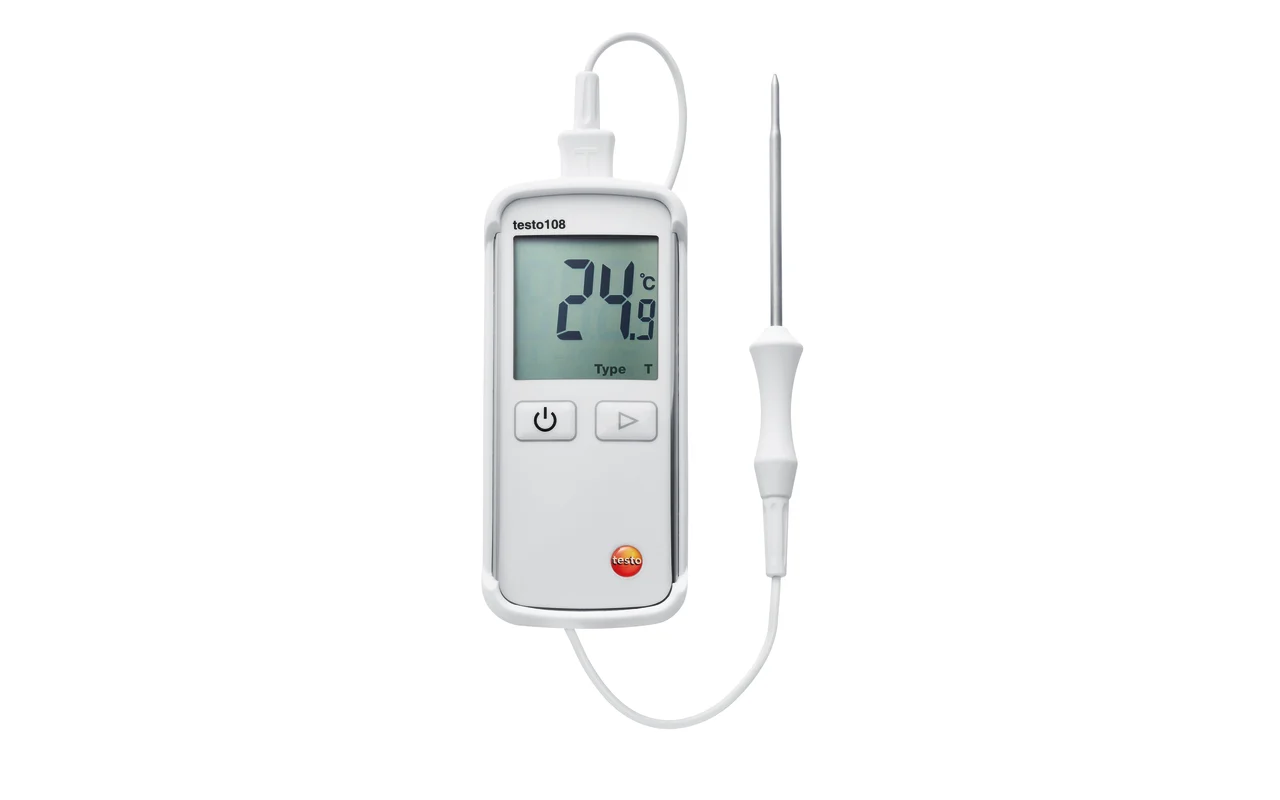
Temperature probes measure temperature; thermo-hygrometers monitor temperature and humidity; pH meters support liquid acidity measurements. Pressure and flow instruments monitor process systems, while dimensional instruments and balances support component and material checks. Consult SK's current catalogue for models actually offered.
Spot readings or a recorded history?
A thermometer supports readings during inspection. A data logger stores readings over time; compare the recording interval, memory and data-export method against the monitoring task.
References: Testo: Temperature data loggers
Controlled equipment and measuring instruments
Incubators and refrigerators control an internal environment. Select the cabinet by capacity, temperature and sample requirements, and plan how actual conditions will be checked using suitable measurement equipment.
Prepare your specification and calibration needs
Specify working range, accuracy, resolution, response, probe compatibility and cleaning requirements. More displayed digits do not by themselves mean lower measurement error. Confirm included accessories, delivery and calibration separately before ordering. Laboratory accreditation does not certify every product model.
References: SK: เครื่องมือวัดอุตสาหกรรมและข้อมูลสินค้าที่เผยแพร่
FAQ
Does every application need a data logger?
No. Use a recording instrument when history or continuous monitoring is required; choose a spot-reading instrument where that meets the task.
Related calibration guides
View all guides- Types of temperature measuring instruments and how to choose
- Temperature sensor types: Thermocouple, RTD and Thermistor
- How to use a probe thermometer correctly and reduce measurement errors