S K Sale and Service Co.,Ltd.

Calibration Service

Pressure & Level Calibration

Pressure and level calibration for industrial plants and process systems.

Pressure GaugePressure TransmitterPressure Switch
Request Quotation →
Pressure & Level Calibration

Service Overview

Pressure and level calibration for gauges, transmitters, switches and manometers used in process plants and utilities. Our service supports preventive maintenance, process reliability and documentation for quality audits.

Typical Applications

  • ✓ Process control loops
  • ✓ Utility systems
  • ✓ Tank and level monitoring

Our Calibration Capabilities

Verified scope information matched to this service. Open a capability to review its complete instruments, ranges, CMC and accreditation evidence.

TISI 0261ANAB AC-3279

Pressure Calibration

Pressure and vacuum instrument calibration for production, quality control, maintenance and fieldwork, with applicable instruments covered by TISI 0261 and ANAB AC-3279 scopes.

Verified scope rows
37
Supported instruments
10
  • Pressure Gauge
  • Digital Pressure Gauge
  • Pressure Transducer
  • Pressure Transmitter
View complete scope →
TISI 0261

Level Calibration

Level instrument calibration for tanks, production processes, storage systems and quality control.

Verified scope rows
0
Supported instruments
6
  • Level Transmitter
  • Differential Pressure Transmitter
  • Level Gauge
  • Level Switch
View complete scope →

Instruments We Calibrate

Pressure GaugePressure TransmitterPressure SwitchManometerLevel TransmitterDifferential Pressure Gauge

Need Pressure & Level Calibration?

Contact our sales team for scope confirmation, technical guidance and a quotation.

Request Quotation

Pressure gauge and pressure instrument calibration

Support for pressure gauges, transmitters, switches, manometers and differential pressure gauges is confirmed against pressure type, range, unit, connection, process medium and required accuracy.

Information needed for pressure calibration

  • Gauge, absolute, vacuum or differential pressure type
  • Range, unit and resolution
  • Connection size and process medium
  • Critical operating points and acceptance criteria

Preparing pressure instruments

  • Safely drain media and clean the connection
  • Protect the dial and process connection during transport
  • Declare hazardous, corrosive or oxygen service
  • Include special adapters where needed

Pressure instruments to identify before requesting calibration

Send the instrument type, model and operating range so SK can assess the method and applicable scope. Not every instrument or range is accredited.

  • Analogue or digital pressure gauges: specify range, unit and resolution or dial scale.
  • Transmitters and transducers: specify power supply, output and associated readout, such as 4–20 mA or voltage.
  • Pressure switches: identify operating and reset points, not only an indicated pressure.
  • Manometers and differential gauges: specify pressure type, connections and operating conditions.
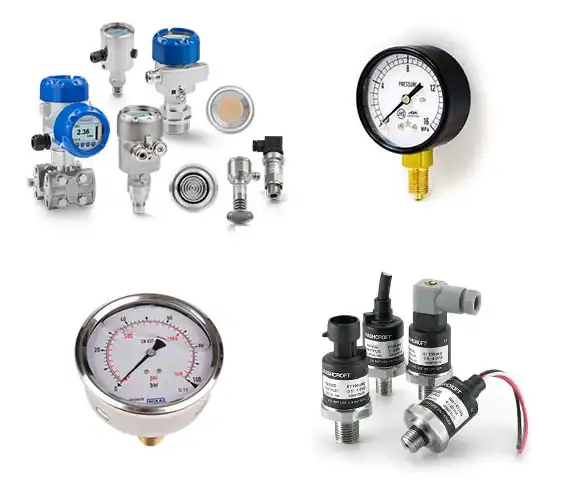
Examples of pressure gauges and transmitters
Instrument examples; methods and accreditation must be reviewed individually

SK pressure calibration workflow

Agree the items and conditions before work so results meet the intended application.

  • 1. Send dial and nameplate photos, range, unit, quantity, connections and process medium.
  • 2. Confirm method, points, increasing/decreasing readings, location, accreditation and as-found requirements.
  • 3. A competent site representative must isolate and make the instrument safe under site procedures before handover.
  • 4. Compare with reference standards using the agreed method; adjustment and repair need separate agreement.
  • 5. Review each result and uncertainty against acceptance criteria; a certificate is not automatic approval.
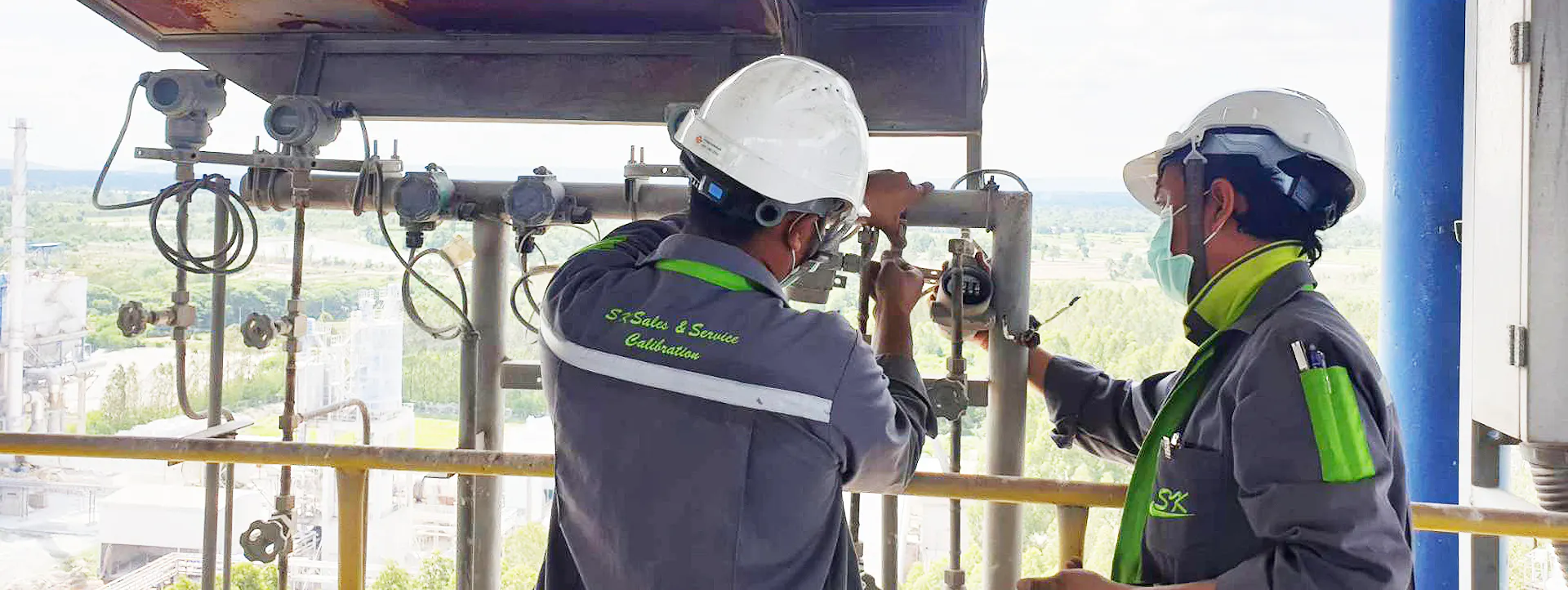
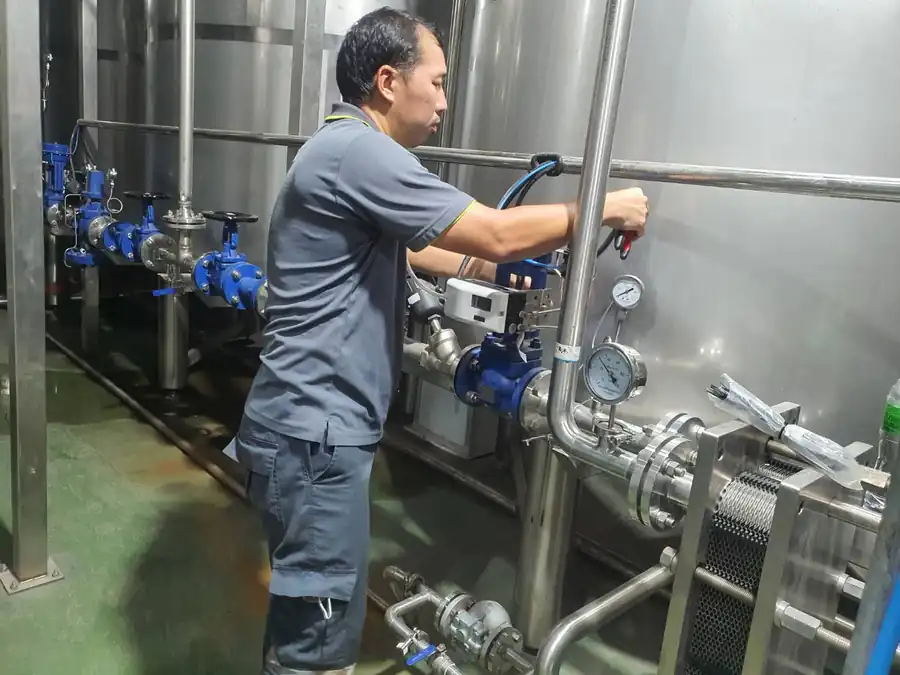
SK technician working with pressure instruments in a pipe system
Actual SK pressure-instrument fieldwork

Confirm the ISO/IEC 17025 pressure calibration scope

Laboratory accreditation does not cover every instrument or range. Confirm type, range, method, location and accreditation for the actual order.

  • Distinguish gauge, absolute, vacuum and differential pressure.
  • Check capabilities at the operating points rather than selecting only by maximum range.
  • Agree acceptance criteria and a decision rule before requesting a pass/fail statement.
  • Keep instrument identifiers and previous certificates to track performance.
Review SK pressure calibration scope →
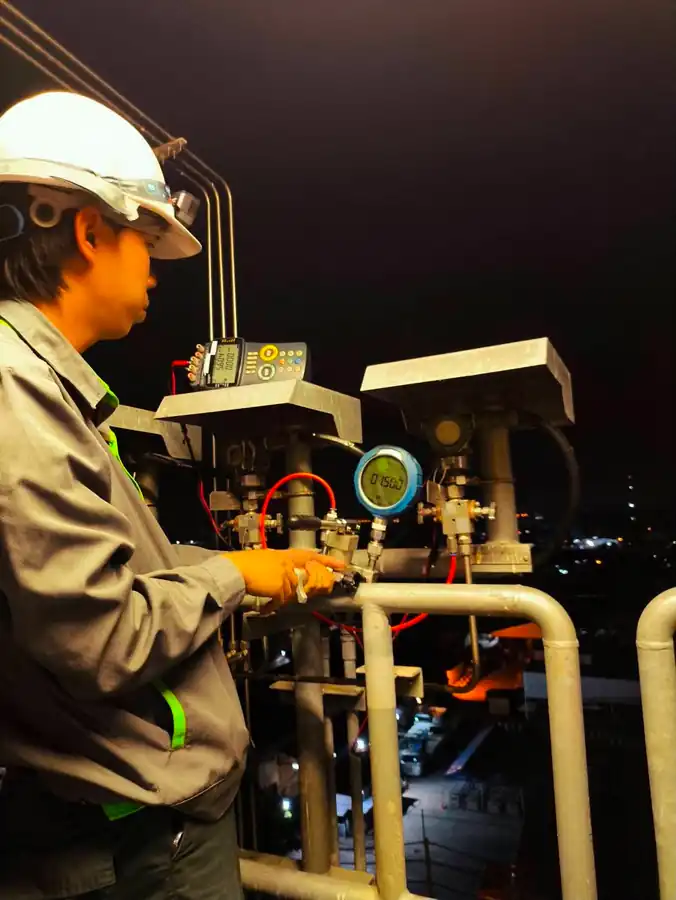
SK technician checking pressure instruments at an industrial installation
Installation context is not proof of accreditation for the pictured instrument

Information that determines the pressure calibration method

Pressure type, process medium, working range, accuracy, connection and safety affect the reference, setup and feasibility of on-site service.

  • Identify gauge, absolute, vacuum or differential pressure
  • Declare oxygen, oil, hazardous or corrosive media
  • Select points that represent critical operating ranges and criteria
  • Confirm increasing, decreasing, as-found and as-left requirements

FAQ

How many pressure calibration points are needed?

The point count depends on operating range, risk, method and customer requirements. Points should cover critical use ranges, with increasing and decreasing runs where appropriate.

Is every pressure gauge covered by ISO/IEC 17025 accreditation?

No. Accreditation depends on instrument type, range, method and service location. Check the published pressure scope and ask SK to confirm the actual work before ordering.

What is needed for pressure transmitter calibration?

Provide output, power supply, connections and operating range, with the readout and model-specific accessories as needed. Agree whether calibration covers the transmitter alone or the complete system with its readout.

Can pressure calibration be performed on site?

Feasibility depends on pressure range, reference equipment, safety, workspace and environmental conditions and must be reviewed before confirmation.

Can a pressure gauge that does not return to zero be submitted?

Report the symptom before sending it. Inspection or repair may be needed before calibration; record the as-found condition before adjustment to help assess the impact on previous use.

What pressure calibration workflow should be agreed?

Submit instrument details and previous process media for laboratory assessment. Agree measurement points and increasing and decreasing results where appropriate. Prepare the instrument by safely isolating and depressurizing it under site procedures, then proceed with the agreed method and review results against operating criteria. Adjustment or repair should be authorized before proceeding.

What should be confirmed in pressure calibration documents?

Identify the instrument, pressure type, units and requested points, and provide the previous certificate if available. Ask the laboratory to confirm the method, calibration medium, required increasing and decreasing results, uncertainty and accreditation status for this work. If a pass or fail statement is needed, agree criteria and the decision rule before work starts.

What does pressure calibration cost and how long does it take?

Cost and delivery depend on instrument type, range, points, quantity, connections, condition and location. Send details and your required date for confirmation before ordering.

View all guides
Gas flow meter calibration 0.1–100 L/min →

Ask SK to review your pressure instrument

Send a dial or nameplate photo, range, unit, connection, process medium and required points so the team can check scope before quotation.

Request a pressure calibration quotation →
Learn what calibration means →